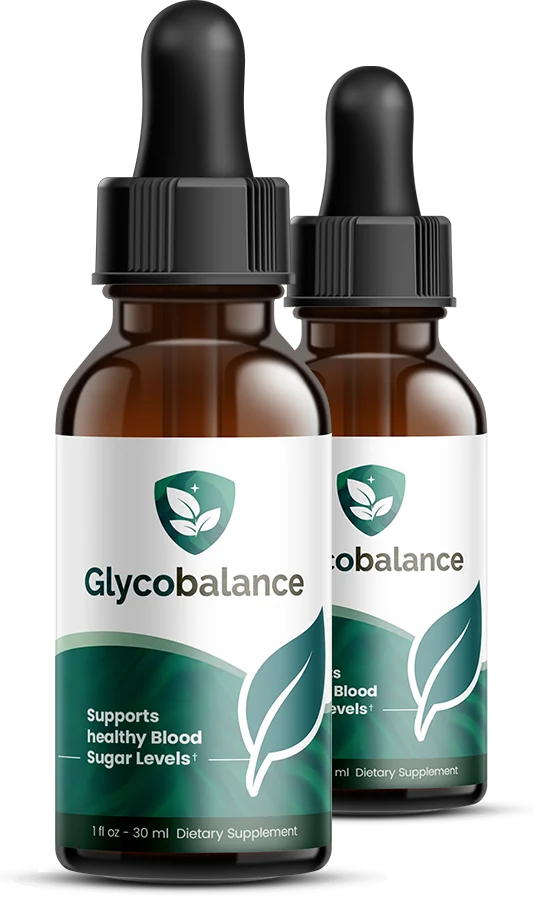
Glycobalance Side Effects And Interactions
What people report, the signs that mean stop today, six medication classes worth raising with a pharmacist, and the two ingredients we would name out loud.
What people most commonly report
No formal adverse event profile exists for this blend, because proprietary blends are not studied as blends. What follows is drawn from what is known about the individual ingredients rather than from trials of the finished product, and we would rather say that than pretend to a precision nobody has.
- Digestive upset in the first week. Nausea, loose stools or general unsettledness. Botanical extracts commonly do this and it commonly settles.
- Caffeine effects. Jitteriness, a faster heart rate, or trouble sleeping if taken late. Two ingredients in the blend carry caffeine and neither amount is declared.
- Taste changes. Gymnemic acid blocks sweet taste receptors for up to an hour. Harmless, temporary, and startling the first time.
- Headache. Common at the start of many supplements and usually short-lived. If it persists, stop.
The signs that mean stop now
Stop taking it and get advice
Signs of low blood sugar. Shakiness, sweating, a pounding heart, sudden hunger, confusion, irritability, blurred vision. If someone is unconscious or having a seizure, call 911.
Signs of liver trouble. Unexplained tiredness, nausea that will not settle, pain under the right ribs, dark urine, pale stools, or yellowing of the skin or the whites of the eyes. Stop and see a doctor the same day.
Any allergic reaction. Rash, swelling of the face or throat, difficulty breathing. Stop and seek emergency care.
Interactions to raise with a pharmacist
This list cannot be complete, and it is important to understand why: the amounts inside a 15.47 mg proprietary blend are not published, so nobody outside the manufacturer can assess interaction risk properly. What follows is the list we would take to the counter.
| If you take | Why it matters |
|---|---|
| Blood pressure medicines and diuretics | Licorice derivativeMonoammonium glycyrrhizinate is in the blend. Sustained licorice intake can raise blood pressure and deplete potassium, working directly against several common treatments. |
| Warfarin and other anticoagulants | Clotting and platelet effectsGinseng, green tea and grape seed have each been reported to affect clotting or to interact with warfarin. Anyone anticoagulated should clear it with the clinic managing their INR. |
| Levothyroxine and other thyroid medicines | Absorption and timingMineral-containing supplements are normally kept several hours apart from levothyroxine. Ask your pharmacist for the right gap. |
| Stimulants, and treatment for a heart rhythm problem | Undeclared caffeineGreen tea leaf and guarana both carry caffeine and neither is quantified. Relevant if you are caffeine sensitive, treated for arrhythmia, or already on a stimulant. |
| Sedatives and anti-anxiety medicines | GABA and L-tryptophanBoth are in the blend. Combined with sedating medication the effects can add up. Mention it. |
| Anything processed by the liver | Grapefruit seedGrapefruit is well known for interfering with drug metabolism. The label lists grapefruit seed rather than juice and the amount is unstated, but it is worth naming to a pharmacist. |
Two ingredients we name out loud
Monoammonium glycyrrhizinate
A licorice derivative. Licorice compounds raise blood pressure and deplete potassium with sustained intake, which is why licorice carries warnings in its own right. It sits near the end of the weight order here, so the amount is probably small. It still belongs in the conversation if you are treated for hypertension, take a diuretic, or have had a potassium problem before.
Xylitol
A sweetener in the liquid base. Entirely fine for people. Severely toxic to dogs, and a small dropper bottle is exactly what a dog will chew through. Keep it high up, and if a pet swallows any, ring a vet immediately rather than waiting to see what happens.
Reporting a problem
If something goes wrong, stop taking it and speak to a healthcare professional. Serious adverse events involving a dietary supplement can be reported to the FDA through MedWatch, and to the distributor named on the bottle. Almost nobody does this, which is exactly why safety signals in this industry take so long to surface.
Safety questions
01What are the most likely side effects?
Mild digestive upset when starting, and caffeine effects — jitteriness or disturbed sleep — from the green tea and guarana in the blend. Neither amount is declared, so start in the morning and see how you get on.
02What should I say to my pharmacist?
Show them the bottle or this page. Tell them you are considering a liquid supplement containing chromium picolinate and a botanical blend including gymnema, ginseng, green tea, guarana and a licorice derivative, and ask whether any of it touches your list.
03Do I need to stop before an operation?
Yes. The general advice is to stop herbal supplements at least two weeks before planned surgery and to tell your anaesthetist what you have been taking.
04Can it damage my liver?
Concentrated green tea extract has an uncommon but documented association with liver injury, mostly at high doses. The realistic risk from a share of 15.47 mg is low, and it is still the reason anyone with liver disease should get this cleared first.
Ready when you are
Check The Current Price
Stock, pricing and the guarantee are handled by the official seller. The button below goes to their checkout, where the offer running today is shown in full.
See Today’s Price- Seller’s own secure checkout
- 60-day money-back guarantee
- Ships from within the United States