The Research Behind What We Publish
The literature this site draws on, what each body of work actually supports, and the one study that does not exist.
How we use sources
Everything on this site falls into one of three buckets, and we try to keep them visibly separate.
- Label facts. Transcribed directly from the printed Supplement Facts panel. If the bottle disagrees with us, the bottle is right.
- Research on ingredients. Drawn from the literature listed below, always with the amounts those studies used, because the amount is the part that decides whether a study is relevant to a 15.47 mg blend.
- Our opinion. Flagged as opinion, in sentences that begin with words like “we would say” or “our position is”.
What you will not find is a study cited to support a claim about this product that the study does not support. Ingredient research is not product research, and we say so on more or less every page.
The literature we relied on
These are described rather than deep-linked, because journal URLs rot and paywalls move. Every item below is findable by title through PubMed, the NIH Office of Dietary Supplements, or the relevant agency's own site.
Chromium
- Office of Dietary Supplements, National Institutes of Health — Chromium fact sheet for health professionalsThe reference source for chromium's Daily Value, food sources, deficiency status and the state of the supplementation evidence.
- Cochrane and other systematic reviews of chromium supplementation and glycaemic controlReviews consistently describe the trial results as inconsistent, with the clearest signal in people who were deficient at baseline.
Gymnema sylvestre
- Reviews of Gymnema sylvestre in glycaemic managementDescribe a promising but limited evidence base, with small trials, variable extract standardisation and daily amounts in the hundreds of milligrams.
- Research on gymnemic acids and sweet taste receptor bindingThe mechanism behind the taste effect, and the basis for the hypothesis about intestinal sugar absorption.
Green tea and catechins
- Reviews of green tea catechins and metabolic outcomesReport small effects on insulin sensitivity and fat oxidation that tend to attenuate in larger, better-controlled trials.
- LiverTox, National Institute of Diabetes and Digestive and Kidney Diseases — green tea extractThe reference summary of the hepatotoxicity signal associated with concentrated green tea extract.
African mango
- Systematic reviews of Irvingia gabonensis for weight lossConclude that the available evidence does not support the weight-loss claims made for it, citing small trial size and limited independent replication.
Panax ginseng
- Reviews of Panax ginseng and glucose metabolismReport results ranging from modest improvement to no significant effect, with standardisation between products a recurring limitation.
- Published reports of ginseng interaction with warfarinThe basis for the anticoagulant caution on our side effects page.
Licorice compounds
- Reviews of glycyrrhizin, blood pressure and potassiumThe basis for flagging monoammonium glycyrrhizinate to anyone treated for hypertension or taking a diuretic.
Diet, movement and glucose
- Trials of post-meal walking and postprandial glycaemiaRepeatedly find meaningful reductions in the post-meal glucose rise from short walks taken shortly after eating.
- Studies of food order and the glycaemic response to a mixed mealFind a smaller post-meal rise when protein, fat and vegetables are eaten before the carbohydrate portion of an identical meal.
Rules and labelling
- Dietary Supplement Health and Education Act, and FDA guidance on structure-function claimsThe legal basis for the distinction between a permitted structure-function claim and a prohibited disease claim.
- FDA regulations on proprietary blend declarationThe rule permitting a combined blend weight in place of individual ingredient amounts.
- FTC guidance on endorsements and testimonialsWhy we will not publish undocumented testimonials or rating markup without real reviews behind it.
What is missing from this list
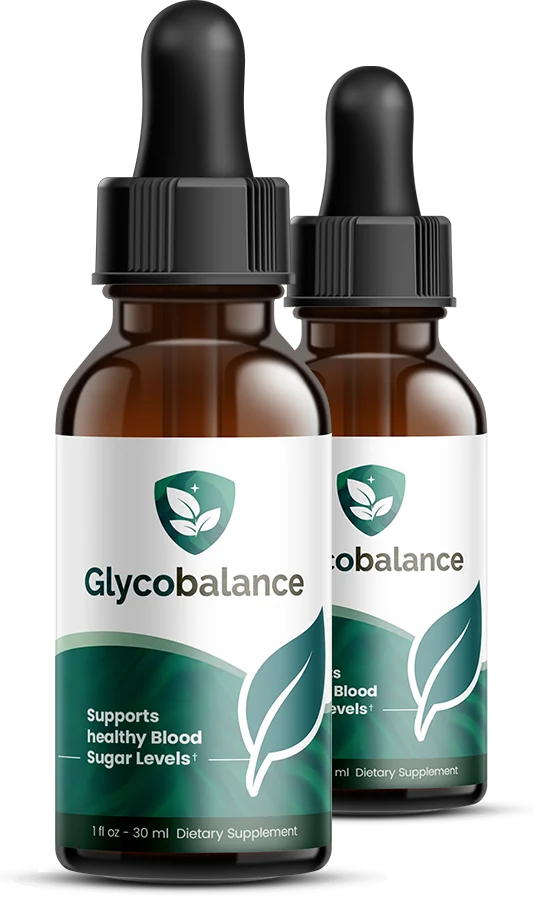
Any trial of Glycobalance itself. None has been published, which is entirely normal for a proprietary blend and is still the most important sentence on this page. Everything above studies individual ingredients, usually in isolation and usually at amounts a shared 15.47 mg total cannot reach.
Corrections
If we have characterised a body of research incorrectly, tell us and we will fix it and note that we did. The contact page explains how, and corrections get made on the page itself rather than quietly.
Keep reading
Read this before you order
This is a dietary supplement, not a medicine, and it is not a treatment for diabetes or prediabetes. It is not for use in pregnancy, while trying to conceive, while breastfeeding, or by anyone under 18. If you take any prescription medication, speak to your doctor or pharmacist first. Everything we know about side effects is set out on the side effects page.
Ready when you are
Check The Current Price
Stock, pricing and the guarantee are handled by the official seller. The button below goes to their checkout, where the offer running today is shown in full.
See Today’s Price- Seller’s own secure checkout
- 60-day money-back guarantee
- Ships from within the United States