How To Read A Supplement Label Properly
Six things on a Supplement Facts panel that tell you more about a product than the entire front of the bottle. Useful long after you have finished with any one brand.
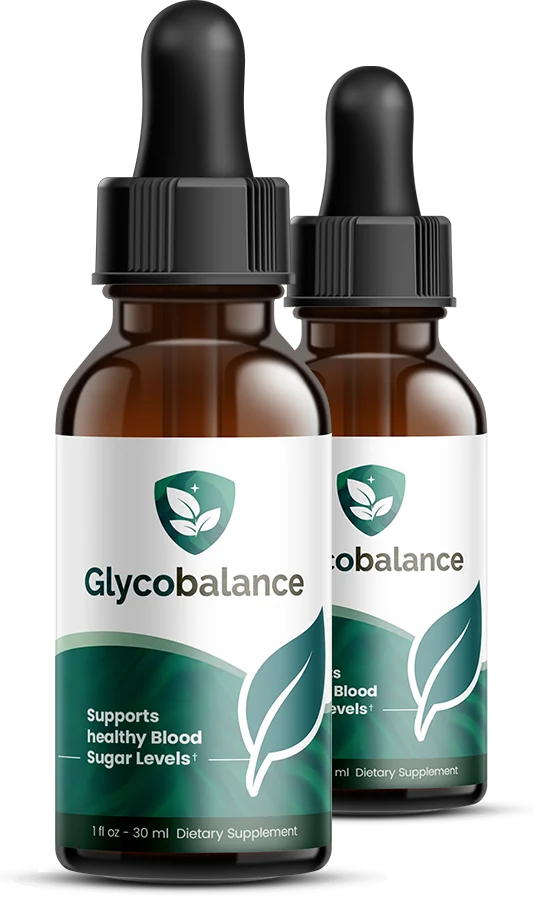
The front of the bottle is advertising
The front is designed. The back is regulated. Almost everything worth knowing about a supplement is printed on the side nobody photographs, and it takes about ninety seconds to read once you know what you are looking at.
1. Serving size, and servings per container
The first two lines, and the ones that decide what everything below them means. An amount stated per serving is meaningless until you know whether a serving is one capsule or four.
It also tells you what a bottle really costs. Sixty capsules at two per serving is a thirty-day bottle, not a sixty-day one, and the price per month is double what the shelf implies.
2. Whether there is a proprietary blend
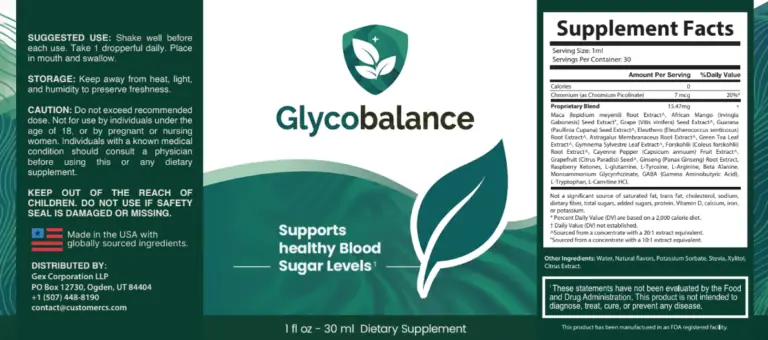
This is the single most informative thing on any panel. If you see a line reading “Proprietary Blend” with one weight beside it and a list of names underneath, you have been told the total and nothing else.
The ingredients are listed in descending order by weight, which tells you the ranking and not the gaps. First place could be ninety percent of the blend or twelve percent. Nobody outside the company can tell, and that is the point of the arrangement.
It is legal, it is common, and it means you cannot line the product up against the published research on any single ingredient in it — because the research used a stated dose and this does not have one.
How to use a blend total anyway
Compare the total against the doses used in trials of the leading ingredient. If a study used 300 mg of one plant and the whole blend comes to 15 mg across twenty-one ingredients, you have your answer about relevance without needing the breakdown.
3. Extract ratios
Small marks like 20:1 or 10:1 beside a botanical name mean twenty or ten parts of raw plant were concentrated into one part of extract. It is a real and important qualifier — a milligram of 20:1 extract represents twenty milligrams of starting material.
Where it becomes slippery is when a marketing page multiplies the extract weight by the ratio and presents the result as the dose. Concentration is not the same as equivalence, because what survives the extraction depends on the solvent and the compound.
4. Percent Daily Value, and the dagger
A percentage in the right-hand column means an official reference intake exists for that nutrient. Vitamins and minerals have them. Botanicals almost never do.
A dagger or asterisk instead of a percentage means “Daily Value not established”. It is not a warning. It simply tells you that no authority has set a reference intake, which is true for most plant extracts and tells you nothing about whether the amount present is useful.
5. Other ingredients
Below the panel, in smaller type, and routinely skipped. This is where the capsule shell, the fillers, the sweeteners and the preservatives live — and it is where the allergen information is.
It is also where you find things worth knowing for reasons that have nothing to do with efficacy. Xylitol, for example, is a perfectly ordinary sweetener that is severely toxic to dogs. That is an “other ingredients” fact, and it never appears on the front.
6. The claim, and the dagger that follows it
Look at what the front of the bottle actually says, word for word. “Supports healthy blood sugar levels” is a structure-function claim about ordinary physiology, and it is permitted. “Lowers blood sugar” would be a disease claim, and it is not.
The dagger beside the claim leads to the standard statement: not evaluated by the FDA, not intended to diagnose, treat, cure or prevent any disease. Every legal supplement carries it. Its presence is not a red flag; its absence, alongside a health claim, very much is.
Applying it
We have run this exact process on the product this site covers, and published the result rather than a summary of it. The ingredients page transcribes the whole panel, including the parts that do not flatter it.
Reading this because of a supplement?
The full label, transcribed, is two clicks away.
Questions
01Is a proprietary blend a red flag?
It is a limitation rather than a scandal. It is legal and widespread, and it does mean you cannot compare the product against the research on any ingredient in it.
02What does 20:1 extract mean?
Twenty parts of raw plant material concentrated into one part of extract. Be wary of marketing that multiplies the extract weight by the ratio and calls the result a dose.
03What does the dagger next to an ingredient mean?
That no Daily Value has been established for it. That is normal for botanicals and says nothing about whether the amount present is useful.
04Where is the allergen information?
Usually in the 'other ingredients' line below the panel, in the smallest type on the bottle.
More from the journal
On the product
Read this before you order
This is a dietary supplement, not a medicine, and it is not a treatment for diabetes or prediabetes. It is not for use in pregnancy, while trying to conceive, while breastfeeding, or by anyone under 18. If you take any prescription medication, speak to your doctor or pharmacist first. Everything we know about side effects is set out on the side effects page.
Ready when you are
Check The Current Price
Stock, pricing and the guarantee are handled by the official seller. The button below goes to their checkout, where the offer running today is shown in full.
See Today’s Price- Seller’s own secure checkout
- 60-day money-back guarantee
- Ships from within the United States